
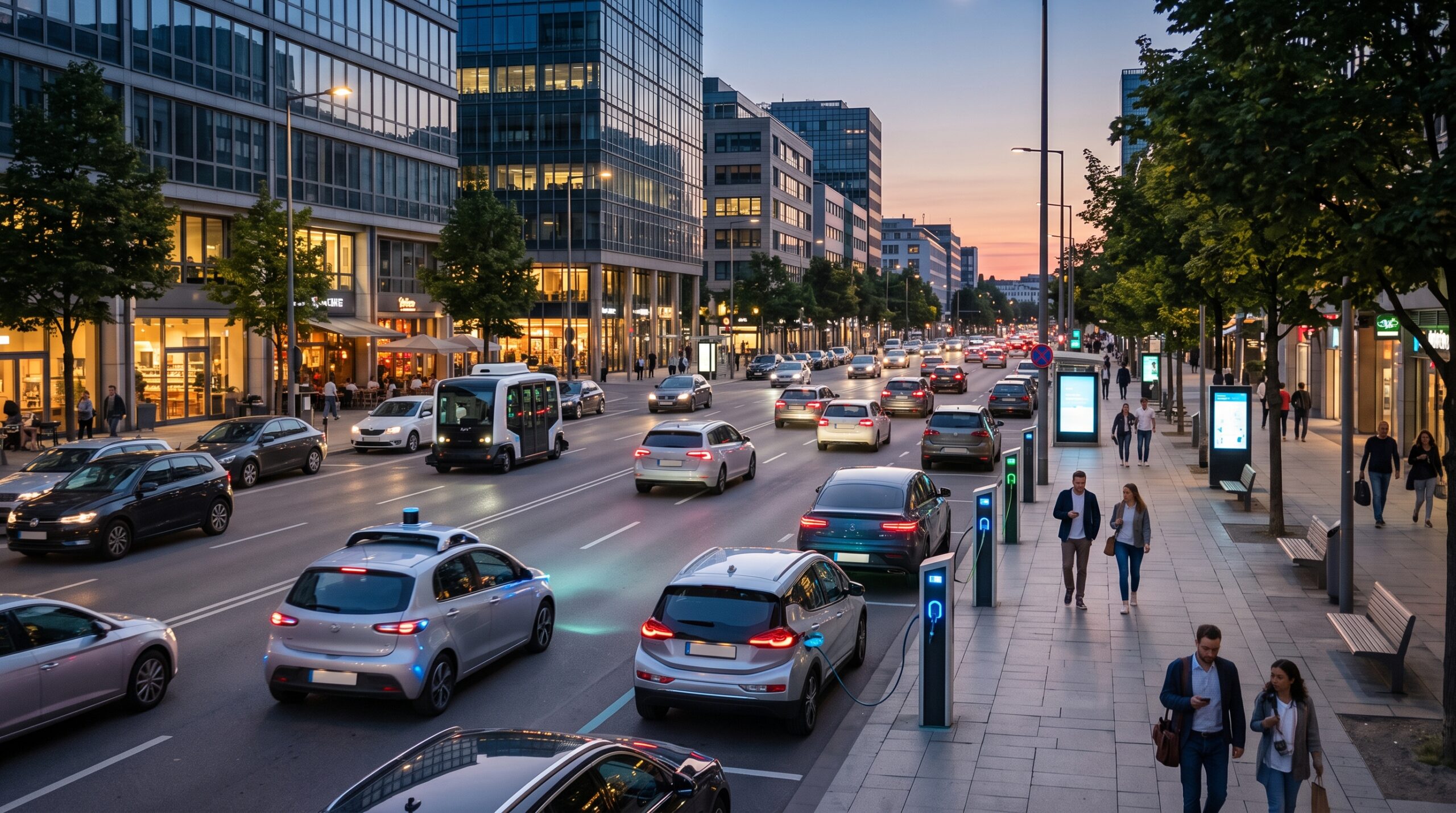
You sit in traffic again, watching the minutes tick by while the car in front of you inches forward. Fuel prices fluctuate. Parking feels like a daily contest. Maintenance bills arrive without warning. Most of us accept these frustrations as normal. Yet the combination of electric powertrains and autonomous systems is starting to challenge that acceptance. The future of transportation is taking shape in factories, software labs, and city pilot programs right now. Understanding the real progress—and the remaining obstacles—helps you prepare for the changes headed toward roads, cities, and daily routines.
Why the Shift Toward Autonomous and Electric Feels Inevitable
Two forces are converging. Electric vehicles remove the complexity of combustion engines and cut direct emissions. Autonomous technology aims to reduce the human errors that cause most crashes and to make better use of existing road space. Together they promise lower operating costs, quieter streets, and more productive travel time. Progress is uneven across regions, but the direction is consistent.
Automakers, tech companies, and governments are investing heavily because the potential gains are large. Fleet operators already see clearer math on electric trucks and vans for certain routes. Ride-hailing and delivery services test autonomous vehicles in controlled areas because labor and safety costs matter. For individual drivers the benefits appear more gradually through better electric models and driver-assistance features that keep improving.
Electric Vehicles Move From Early Adopters to Mainstream Options
Battery costs have fallen enough to make many electric models competitive on total cost of ownership, especially when charging happens mostly at home or work. Range continues to climb. Charging networks expand, though coverage still varies widely by region. Faster chargers and better battery management reduce the old anxiety about long trips.
The practical advantages show up in daily use. Instant torque makes merging easier. Lower maintenance needs—no oil changes, fewer brake jobs because of regenerative systems—add up over years. Home charging turns every morning into a full tank equivalent for many drivers. Hypothetical example: a sales representative who switched to an electric vehicle for regional travel cut fuel costs dramatically and used the quieter cabin for calls between meetings. The adjustment period lasted a few weeks; the savings continued.
Challenges remain. Upfront prices can still run higher before incentives. Apartment dwellers and drivers without reliable home charging face extra planning. Grid capacity in some areas will need upgrades as adoption grows. These issues are being addressed at different speeds depending on location and policy support.
Autonomous Systems Advance Through Levels of Capability
Full driverless operation in every condition remains difficult. What is already here are strong driver-assistance systems that handle highway lane-keeping, adaptive cruise, and automatic emergency braking. These features reduce fatigue and prevent certain crashes today. Higher levels of autonomy appear first in geofenced areas—robotaxis in select cities, autonomous shuttles on fixed routes, and yard trucks in logistics hubs.
The technology relies on a mix of cameras, radar, lidar, and detailed mapping, all processed by sophisticated software. Edge cases still challenge the systems: unusual construction layouts, extreme weather, or unpredictable human drivers. Companies are collecting millions of miles of real-world data to improve performance. Regulatory approval and public trust move more slowly than the engineering in many places.
For most people the near-term experience will be vehicles that handle more of the driving task under specific conditions while still requiring a responsible human ready to take over. The jump to vehicles that need no human intervention in broad operating domains will arrive unevenly across cities and use cases.
How Cities and Infrastructure Must Adapt
Roads, parking, and energy systems designed for human-driven gasoline cars will need updates. Electric vehicles push demand for chargers at workplaces, apartments, and public locations. Smart charging that shifts loads to off-peak hours helps avoid grid strain. Autonomous fleets may reduce the total number of cars needed in dense areas if shared models gain acceptance, which could free parking space for other uses.
Traffic management stands to improve when vehicles communicate with infrastructure and each other. Smoother flow, fewer stop-and-go waves, and optimized routing become possible. Cities running pilot programs already gather data on how these systems perform in mixed traffic with conventional cars, cyclists, and pedestrians. The transition period will feature a blend of old and new vehicles sharing the same streets, which requires careful planning around safety and equity.
Impact on Jobs, Businesses, and Daily Life
Professional drivers face the most direct questions. Long-haul trucking, taxi, and delivery roles will evolve as autonomy expands on predictable routes. New jobs appear in fleet management, remote vehicle monitoring, charging infrastructure, and software oversight. The net effect depends on how quickly the technology scales and how deliberately communities support worker transitions.
Businesses that move people or goods can lower costs through electrified fleets and, later, autonomous operation on suitable routes. Individuals may eventually choose between owning a vehicle, subscribing to a service, or relying more on shared autonomous options. The calculation will differ by where you live, how often you travel, and whether you value the flexibility of personal ownership.
Practical Steps You Can Take Now
You do not need to wait for perfect technology. If you are considering a new vehicle, compare total cost of ownership for electric versus combustion options using your actual driving patterns and local electricity rates. Test-drive current models with strong driver-assistance features to experience the present state of the technology. Pay attention to charging access in the places you regularly go.
For longer-term planning, watch how your city approaches curb space, charging requirements in new buildings, and pilot programs for autonomous services. Skills related to electric vehicle maintenance, charging systems, or fleet software are already in demand and will likely grow. Staying curious about the real performance data rather than the most optimistic announcements keeps expectations grounded.
Remaining Obstacles That Will Shape the Timeline

Battery material supply, charging reliability, software validation, regulatory frameworks, and public acceptance all influence how fast the future of transportation arrives. Extreme weather performance, cybersecurity, and equitable access across income levels and geographies remain active concerns. Progress in one area sometimes reveals bottlenecks in another.
Companies and policymakers that treat these as solvable engineering and coordination problems rather than reasons to pause tend to move faster. Transparent data on safety and cost helps build the trust required for wider adoption. The timeline will not be uniform. Some regions and use cases will see major change within a few years. Others will take longer.
The future of transportation is already visible in the electric vehicles on the road and the autonomous systems operating in limited domains. The combination of cleaner power and reduced human driving effort holds the potential to make movement safer, quieter, and more efficient. The exact path will depend on continued technical progress, infrastructure investment, and thoughtful policy. Pay attention to the developments that match your own travel needs and local conditions. Small informed decisions today—about the next vehicle you choose, the skills you build, or the local plans you support—position you better for the larger shifts ahead.
FAQ
How soon will fully autonomous vehicles be common on public roads?
Widespread operation without human supervision in diverse conditions is still years away for most places. Geofenced robotaxi and shuttle services are expanding in select cities, while advanced driver-assistance features continue improving on consumer vehicles. The timeline varies significantly by location and regulatory environment.
Are electric vehicles practical for people who take long road trips?
Many current models offer ranges suitable for typical long trips when combined with growing fast-charging networks. Planning routes around reliable chargers remains necessary in some regions. Battery technology and charging speeds continue to improve, steadily reducing the extra planning required.
Will autonomous vehicles eliminate the need to own a car?
In dense urban areas shared autonomous fleets could reduce private ownership for some people. In suburbs and rural areas personal vehicles are likely to remain important for longer. Many households may end up with a mix of options depending on trip type and local service availability.
What is the biggest barrier to faster adoption of these technologies?
For electric vehicles the practical barriers often involve charging access and upfront cost. For autonomous systems the challenges center on proving safety across complex real-world conditions, securing regulatory approval, and building public trust. Both also depend on supporting infrastructure and supply chains.
How can an average driver prepare for these changes?
Focus on understanding your own driving patterns and total ownership costs when choosing the next vehicle. Gain familiarity with current driver-assistance systems. Stay informed about local charging and mobility developments. Skills related to electric systems or fleet technology are becoming more transferable across related jobs.
Leave a Reply