
You open a drawer and find three pairs of wireless earbuds still in their cases. A smartwatch sits unused on a charger. A tablet you bought for reading now lives in a cabinet. The pattern feels familiar. Each purchase started with excitement and ended with quiet regret.
Most people choose gadgets by reacting to reviews, ads, or the latest launch. They rarely start with a clear picture of their own daily routines. The result is a collection of devices that look impressive on paper but fail to fit real life. Choosing the right gadgets requires flipping that process. You begin with your habits, constraints, and priorities, then match technology to them.
This guide gives you a repeatable method for choosing the right gadgets for your needs. Primary focus stays on choosing the right gadgets that deliver lasting value. Secondary angles include matching devices to lifestyle patterns, prioritizing must-have features, testing real-world fit, planning for longevity, and avoiding the traps of feature overload and ecosystem lock-in. The approach works for phones, laptops, wearables, audio gear, and home devices.
Map Your Actual Daily Patterns Before Looking at Any Product
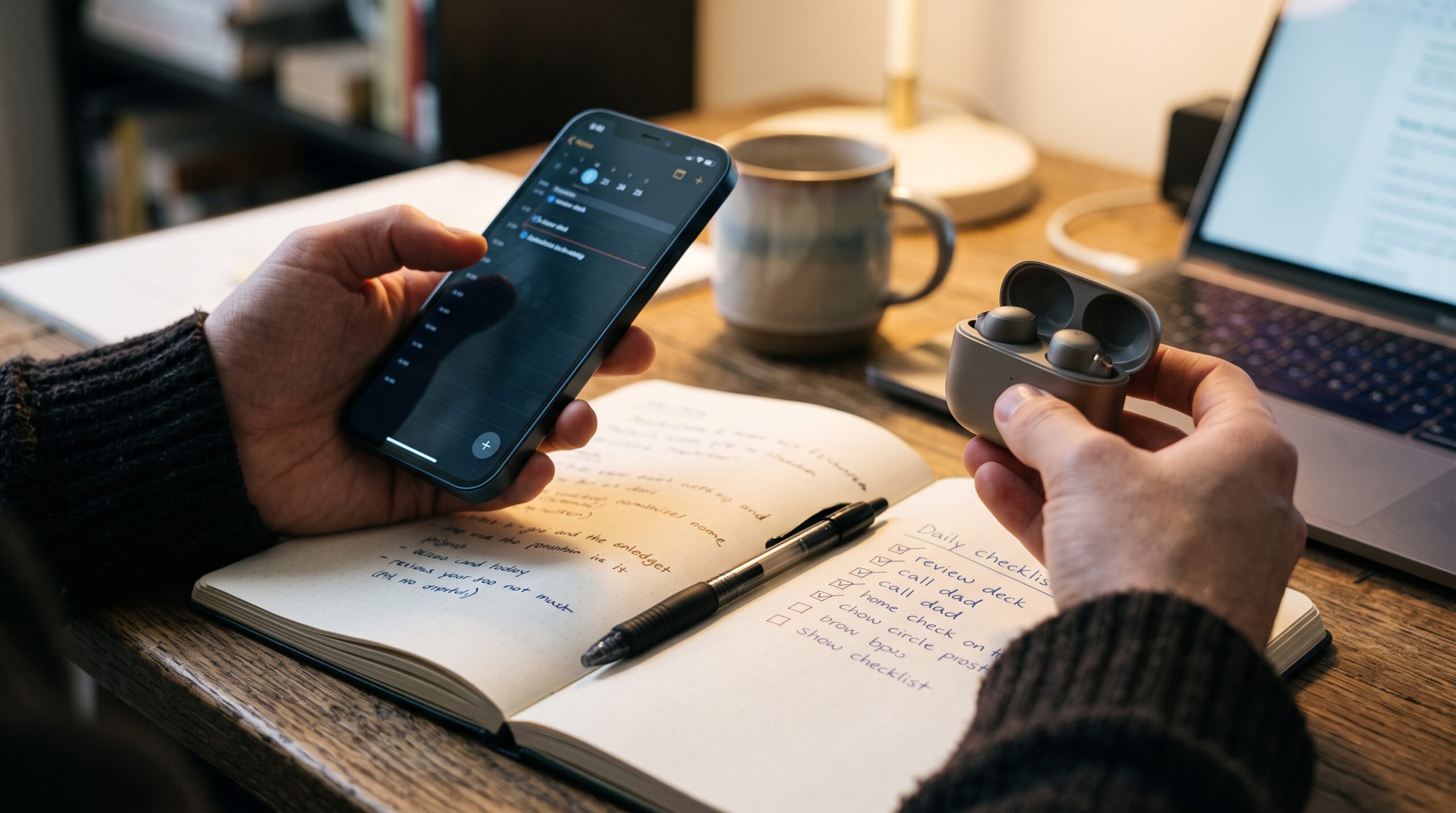
Sit down with a notebook or a simple note app. Track one typical weekday and one typical weekend for a few days. Note the moments when technology helps or gets in the way. When do you need reliable battery life? When do you switch between devices? Where do you work, commute, exercise, or relax?
Write down the friction points. Slow charging that leaves you hunting for outlets. Headphones that fall out during runs. A laptop that feels heavy on the train. A phone camera that fails in low light during evening events. These specific pain points become the filter for every future purchase.
A friend of mine kept buying premium noise-canceling headphones because reviews praised them. He finally realized he spent most of his listening time on short walks and quick calls. A lighter, more secure pair with solid call quality solved the actual problem at a lower price. The mapping step turned a string of disappointing buys into one lasting solution.
Keep the map simple. Focus on frequency and frustration rather than inventing new needs.
Separate Must-Have Functions from Nice-to-Have Features
Every gadget category offers far more features than most people will use. The skill lies in ranking them honestly.
List the functions that would make a measurable difference in your week. For a phone that might be all-day battery, clean call quality, and a camera that handles the lighting conditions you actually shoot in. For a laptop it might be a keyboard you can type on for hours, enough ports for your current gear, and a screen that remains readable outdoors if you work near windows. For earbuds it could be secure fit during movement and easy device switching.
Everything else moves to the optional column. High refresh rates, extra camera sensors, exotic materials, and brand prestige often add cost without adding daily value. Rank the must-haves first. Only after those are covered should you consider secondary features.
This ranking prevents the common trap of paying for capabilities that sound impressive but never enter your routine.
Match the Gadget to Your Physical and Social Environment
Devices live in specific contexts. A laptop that works well on a large desk may feel awkward on a train tray. Earbuds perfect for quiet offices may fail in noisy gyms. A smartwatch that tracks every metric may overwhelm someone who only wants time and notifications.
Consider the spaces and situations where the gadget will spend most of its time. Think about weather, noise levels, movement, and the people around you. A phone with a bright outdoor-readable screen matters more if you spend time outside. Water resistance becomes essential if you exercise outdoors or work with your hands. Size and weight matter if you carry the device all day.
Also consider the social side. Some people prefer devices that stay discreet. Others want something that signals a certain style. Neither preference is wrong, but it should be conscious rather than accidental.
When the physical and social fit is right, the gadget disappears into your routine instead of demanding constant attention.
Test Real-World Fit Whenever Possible
Spec sheets and lab tests only tell part of the story. Hands-on experience reveals the rest.
Visit a store and hold the device. Type on the keyboard. Put the earbuds in and walk around. Check how the phone feels in one-handed use. If the category allows, take advantage of return windows or trial periods. Many retailers and manufacturers now offer generous return policies precisely because they know fit is personal.
Pay attention to small details during the test. Does the charging cable frustrate you? Does the software feel slow or cluttered after a few minutes? Does the device generate heat in normal use? These small frictions become large ones over months of ownership.
If in-person testing is impossible, seek out detailed long-term reviews from people whose usage patterns resemble yours. Short unboxing videos rarely capture the experience after the novelty fades.
Plan for Longevity and Future Compatibility
A gadget that works perfectly today can become a burden if it ages poorly or refuses to work with future devices.
Check the manufacturer’s track record on software updates and repair support. Look at how previous models held their value. Consider whether the device uses standard ports and common accessories or locks you into proprietary systems. A laptop with only rare connectors may force expensive adapters later. A smart home device that requires a specific hub can limit future choices.
Estimate a realistic ownership period. For most phones and wearables that might be two to three years. For laptops and larger home devices it can stretch longer. Choose products that remain useful and supported across that window.
Longevity also includes repairability. Devices that can accept a new battery or simple part replacements often deliver better long-term value than sealed units that become expensive to fix.
Avoid Ecosystem Lock-In Unless It Truly Serves You
Many companies design products to work best inside their own family of devices. The convenience is real. So are the long-term costs and limitations.
Before committing to a new ecosystem, list the devices you already own and plan to keep. Ask whether the new gadget will improve that collection or force you to replace more pieces over time. Sometimes the seamless experience is worth the trade-off. Other times it creates expensive switching costs later.
You can also mix ecosystems deliberately. Many people successfully use phones from one brand, computers from another, and audio gear from a third. The key is confirming that the specific features you care about still work across the mix.
Make the choice conscious. Defaulting to a single brand because it feels easier often leads to buying gadgets you would not otherwise choose.
Create a Personal Decision Filter and Reuse It
Turn the steps above into a short personal checklist you apply to every potential purchase.
Does this gadget solve a specific friction I have already identified?
Do the must-have functions match my ranked list?
Will it fit the physical and social environments where I will use it most?
Have I tested or researched real-world experience from similar users?
Does it offer reasonable longevity and compatibility with what I already own?
Am I choosing it for my needs or for the sake of the ecosystem or the newest features?
Any weak answer is a signal to pause or look for a better match. The filter takes only a few minutes once you have built it. Over time it becomes automatic and protects you from impulse buys that look attractive in the moment.
Start Applying the Method to Your Next Decision

The next time a gadget catches your attention, resist the urge to compare specs first. Open your daily pattern notes. Rank the functions that would actually improve your week. Check the fit against your spaces and routines. Only then begin looking at specific models.
Choosing the right gadgets is less about finding the highest-rated product and more about finding the product that disappears into your life because it solves real problems cleanly. That shift reduces clutter, saves money, and leaves you with tools you reach for every day instead of devices that gather dust.
Build the habit on one upcoming purchase. Notice how much clearer the decision becomes. Then make the process your default. Your collection of gadgets will start to feel intentional rather than accidental.
FAQ
What is the most important first step when choosing the right gadgets?
Map your actual daily patterns and friction points before looking at any product specifications or reviews.
How do I decide which features are must-haves?
Rank functions by how often they would improve your real week rather than by how impressive they sound on a product page.
Why does physical fit matter so much?
A gadget that feels awkward in the environments where you spend the most time will create ongoing friction no matter how strong its specs are.
Should I always stay inside one brand ecosystem?
Only if the seamless experience delivers clear daily value that outweighs the long-term limits and switching costs. Many people successfully mix brands.
How can I reduce the chance of buyer’s remorse?
Use a short personal checklist that forces every purchase through your mapped needs, ranked functions, real-world fit, and longevity considerations.
Leave a Reply